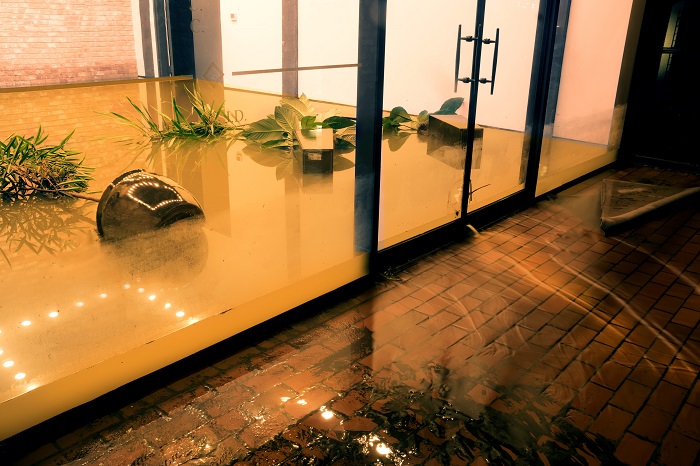
Spring Hill, FL, is a beautiful Gulf Coast community known for its warm climate, stunning nature spots, and welcoming neighborhoods. However, like many Florida towns, Spring Hill faces its share of flooding risks, especially during hurricane season, heavy thunderstorms, and periods of intense rainfall. Flood damage here can occur suddenly, leaving homeowners, businesses, and property managers dealing with structural issues, water contamination, and costly repairs. Understanding the unique challenges of flood damage in Spring Hill is the first step in preparing for and recovering from these events.
Flood Damage for Spring Hill, Hernando County homes and businesses.
Common Causes of Flooding in Spring Hill
Several factors contribute to flooding in Spring Hill, and each can cause damage in different ways.
Tropical Storms and Hurricanes – Powerful storms bring heavy rain, high winds, and storm surges that can push water inland.
Heavy Seasonal Rainfall – Even without a named storm, summer downpours can overwhelm drainage systems.
Poor Drainage Infrastructure – Some areas of Spring Hill have limited stormwater systems, making them prone to pooling and standing water.
Nearby Water Bodies – Proximity to rivers, ponds, and wetlands increases the risk of overflow during extreme weather.
Urban Development – Paved surfaces reduce natural absorption, causing faster runoff and higher floodwater levels.
Immediate Dangers After Flood Damage
Flood damage in Spring Hill is more than just a nuisance—it can quickly turn into a safety hazard. Standing water often contains bacteria, mold spores, and hazardous chemicals. Electrical systems exposed to water can cause shocks or fires if not handled properly. In addition, floodwaters can weaken foundations, warp flooring, and damage walls. For these reasons, it’s important to avoid entering a flooded property until professionals deem it safe.
The Importance of Quick Water Extraction
One of the most critical steps in minimizing flood damage is rapid water extraction. The longer water sits inside your property, the more severe the damage becomes. Moisture can seep deep into walls, flooring, and insulation, leading to mold growth within 24 to 48 hours. Professional water extraction teams in Spring Hill use industrial pumps, vacuums, and moisture meters to ensure water is completely removed—even from hidden spaces behind walls or under floors.
Drying and Dehumidification to Prevent Mold
After water extraction, the drying process begins. Large commercial-grade fans and dehumidifiers are used to remove excess moisture from the air and surfaces. Spring Hill’s humid climate makes this step especially important, as mold thrives in warm, damp environments. Mold not only damages property but can also cause respiratory problems, allergies, and other health issues. Professionals will carefully monitor moisture levels to ensure the property is fully dried before repairs start.
Restoration and Repairs After Flood Damage
Once the property is dry, the restoration phase begins. This may include:
Replacing damaged drywall, insulation, and flooring.
Repairing or replacing electrical wiring and outlets.
Restoring cabinets, countertops, and built-in furniture.
Applying antimicrobial treatments to prevent future mold growth.
Painting and refinishing surfaces to restore the property’s appearance.
Spring Hill homeowners often choose materials that are more flood-resistant after an incident, such as tile flooring, water-resistant drywall, and moisture-proof insulation.
Working With Insurance After a Flood
Navigating insurance claims can be overwhelming, especially when dealing with flood damage. Many standard homeowner’s insurance policies in Florida do not cover flood damage unless you have separate flood insurance. It’s essential to document all damage with photos and videos, keep receipts for repairs, and maintain records of all communication with your insurance provider. Many Spring Hill flood damage restoration companies can work directly with insurance adjusters to make the claims process smoother.
Preventing Future Flood Damage in Spring Hill
While it’s impossible to eliminate all flood risks, there are steps property owners can take to minimize damage:
Install sump pumps or backflow valves.
Grade landscaping to direct water away from the home.
Seal basement walls and floors.
Keep gutters and drains clear of debris.
Invest in flood-resistant building materials for remodels or new construction.
Some residents also elevate electrical panels, water heaters, and HVAC systems to reduce damage during floods.
Choosing a Local Flood Damage Expert
Hiring a local flood damage restoration team in Spring Hill has its advantages. Local professionals understand the area’s climate, building codes, and common water damage scenarios. They can also respond quickly, which is essential for minimizing damage and costs. Look for companies with certifications in water damage restoration, 24/7 emergency service, and positive customer reviews.
Final Thoughts on Protecting Your Property
Flood damage in Spring Hill, FL, is a serious concern that requires prompt action, professional expertise, and long-term prevention strategies. Whether you’re dealing with the aftermath of a sudden storm or preparing for hurricane season, knowing the right steps to take can save you time, money, and stress. By working with trusted local experts and taking preventive measures, you can protect your home or business from the devastating effects of flooding.
Stay safe, avoid electrical hazards, and call us 24/7. Flood water can be contaminated, so professional extraction and sanitizing matters. The sooner we start, the less structural and mold damage you'll face.
Yes — storm season is our busy season across Spring Hill and Tampa Bay. We extract water, remove debris, sanitize, and dry the structure to Florida standards, and we document everything for your claim.
It can be. Flood water often carries contaminants, so we treat it as a health hazard — extracting, cleaning and sanitizing affected areas rather than just drying them.
It depends on your policy and the source of the water. We document the loss thoroughly and help you navigate the claim; many sudden water losses are covered.
After extraction, structural drying usually takes several days with monitoring. We move as fast as safely possible to get your life back to normal.
Yes — fast extraction and aggressive TES drying is the best mold prevention there is, and we're FL-licensed to remediate any mold that's already started.
Why Mr. Dry Out
Why Spring Hill Homeowners Call Mr. Dry Out
FL-Licensed Mold Remediator
Licensed by the Florida Department of Business & Professional Regulation to remediate mold, not just dry it, so the problem is handled correctly and safely.
24/7 Emergency Response
We answer the phone day or night and dispatch fast, because water damage only gets worse the longer it sits.
TES Fast-Drying System
Our Thermal Energy System pulls moisture out of hardwood, tile and cabinetry in days, saving materials other companies would tear out.
Insurance Claims Welcome
We photograph and document the loss, work directly with your adjuster, and bill the claim, usually with no upfront cost to you.
Two Decades in Tampa Bay
Serving Pasco, Pinellas, Hillsborough and Hernando since 2004, with thousands of local water and mold restoration projects completed.
Honest, Respectful Crews
Our technicians treat your home and your time with respect, a difference our customers mention again and again.
Reviews
What Tampa Bay Homeowners Say
”
QUICK response time! Very impressed with the professionalism and compassion my tech Frankie had toward my flooded home. He respected my wishes and the end result was extremely appreciated. I'll be recommending you to everyone I know!
A
Angela DelbridgeFlooded home · Tampa Bay
”
Mr. Dry Out was outstanding. Matt and Frankie came to my home punctual and professional, got the job done in a timely manner, and were extremely personable. If I ever have water issues again I'll ask for these men personally. Five stars.
G
Gloria GentryWater damage · Tampa Bay
”
We had a slow leak under the kitchen sink and some mold. Not only were they professional and fast, they made us a great deal. Highly recommended — thank you, Mr. Dry Out!
J
JasonKitchen leak + mold · Tampa Bay
”
Mr. Dry Out is the best there is. I live two hours away and they came as fast as they could in the middle of the night. Honest, done right, and they didn't overcharge us. The world would be better with more companies like this.