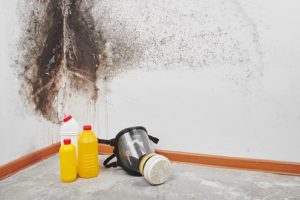
 Having mold growth in a home is something that will happen regardless of how clean a home is, or how well maintained it is over time. Consider how mold will seem to always grow in a bathroom around a sink or shower.
This is because mold growth will happen whenever there is a lot of moisture in a specific area. While moisture can develop at any time of the year inside or outside a home, it is more abundant at certain times of the year. In the state of Florida, it is during the warmer months of the year, as it rains more often and humidity is higher.
Around these months of the year, it is common for more people to need help from professionals with mold removal. Tampa residents should know of some of the actions that they can take that can help mitigate the spread of mold growth during these periods of the year.
Don’t Let Humidity Collect
Mold growth is something that happens a lot in bathrooms because it is a room where humidity is always collecting. Yet, there are ways for homeowners to minimize the amount of humidity that is collecting in these areas.
After someone has taken a bath or a shower, it may be a good idea to wipe down or squeegee any excess water that gets left behind. This will go a long way in preventing the need for a professional to come out and perform mold removal. Tampa residents should be made aware that this amount of moisture after a shower is enough to make mold grow over time.
Another thing that homeowners can do in the bathroom is use fans and vents to actively move the moisture around. This moist air needs to be removed in order to prevent mold growth in the future.
Mold Growth During the Winter Months
Although mold growth is much more common and much more of a concern for people in the state of Florida during the summer months of the year, a person should not think they do not have to worry about mold growth during the winter months of the year.
When it comes to inside mold growth and mold removal, Tampa residents should be made aware that moisture can still be a problem when the temperature is colder outside and some of the humidity in the air has dropped.
This is because inside and outside conditions are often different, so even though it is not humid outside, it can be humid inside a home. Warm air in a home can often create low humidity environments, but the warmer weather can still be a good temperature for mold to grow in.
*Disclaimer: The views expressed here are those of the authors and do not necessarily represent or reflect the views of *Mr Dry Out*