
DIY mold remediation is safe for a small patch on a hard surface, as long as you find and fix the moisture first. The EPA's line is about 10 square feet: under that, most homeowners can clean it themselves with detergent, water and basic protective gear. Over that, or inside a wall, under flooring or after a leak, the job needs containment, air filtering and drying that household tools do not give you. This guide covers how to do a small job properly, where DIY goes wrong, and when to hand it to a licensed mold remediation crew.
From the EPA's A Brief Guide to Mold, Moisture and Your Home (last updated February 18, 2026).
Can I Remediate Mold Myself?
Yes, if the growth is small, on a surface you can scrub, and the cause is something you can fix. A spotted bathroom ceiling, a patch on a window sill or a bit of growth on tile grout are all reasonable weekend jobs.
The answer changes with three things: how much there is, what it is growing on, and where the water came from. Mold on a hard, non-porous surface like tile, glass, sealed wood or metal can be cleaned off. Mold that has grown into a porous material like drywall paper, carpet pad, ceiling tile or insulation usually cannot be cleaned out of it, so the material has to be cut out and replaced. And mold that follows a leak or flood is a sign there is wet material somewhere you cannot see yet.
Your health matters too. The CDC notes that people with asthma or mold allergies may have severe reactions, and that people with weakened immune systems or chronic lung disease can get lung infections from mold. If that describes anyone doing the cleanup, the EPA's advice is to talk to a health professional first.
The 10 Square Foot Line, and What Florida Law Says
The 10 square foot figure comes from the EPA, and Florida uses the same number in law. Under section 468.8411, Florida Statutes, "mold remediation" means removing, cleaning or otherwise treating mold or mold-contaminated material of greater than 10 square feet. Anyone who performs that work for others needs documented training and a state license.
Homeowners are exempt. Section 468.841 says the rules do not apply to "a residential property owner who performs mold remediation on his or her own property." So it is legal to do your own house at any size. The question is whether it is a good idea, and the 10 square foot line is a fair guide to where the risk climbs.
To picture it: 10 square feet is a patch about 3 feet by 3 feet, or a strip 1 foot high along a 10 foot wall. Measure what you can see, and expect there to be more behind it if the patch sits on an exterior wall, under a sink or near an air handler.
Step One Is the Water, Not the Mold
Mold needs moisture to grow. Clean it without fixing the moisture and it comes back, usually in the same spot and often within weeks in a Tampa Bay summer. Before you buy a single cleaning product, find out what is wet and why.
- A leak: a supply line, a drain, a toilet seal, a window or roof leak, or an AC drain line. Fix it or have it fixed first.
- Condensation: cold AC ducts, closets on exterior walls and bathrooms without a working exhaust fan.
- Humidity: the EPA's target is below 60% relative humidity indoors, ideally 30% to 50%. A cheap hygrometer from a hardware store tells you where you stand.
- Old water: a past leak that was mopped up but never dried inside the wall or under the floor.
If something got soaked recently, the clock matters. The EPA says to dry water-damaged areas and items within 24 to 48 hours to prevent mold growth. Past that window, assume the material behind the surface is growing something.
DIY Mold Remediation, Step by Step
For a small patch on a hard surface, with the moisture source fixed, this is the order that works.
- Gear up. The EPA lists gloves, goggles and an N-95 respirator. Wear clothes you can wash right away.
- Close off the room and ventilate it. Shut the door, open a window, and turn the AC or heat off if the mold is near a vent. The EPA says not to run the HVAC system if you know or suspect it is contaminated with mold.
- Mist, don't dry-brush. Lightly dampen the area first so spores don't go airborne when you scrub.
- Scrub with detergent and water. That is the EPA's recommendation for hard surfaces. Work from the edge of the patch inward.
- Bag what can't be cleaned. Moldy rags, sponges, ceiling tile or carpet go straight into a sealed trash bag before they leave the room.
- Dry it completely. Use a fan and a dehumidifier, and keep them running after the surface looks dry.
- Watch it. Check the spot weekly for a month. If it comes back, the moisture is still there.
What to clean it with
Detergent and water does the job on hard surfaces. The EPA says bleach is not recommended as a routine part of mold cleanup. If you use it anyway, open windows, and never mix it with ammonia or other cleaners: the CDC warns that this produces a poisonous gas.
What to throw away
The EPA says absorbent or porous materials such as ceiling tiles and carpet may have to be thrown away if they become moldy. Mold grows into the fibers and the cleaner cannot reach it. The same goes for drywall that is soft, stained through or crumbling, and for the insulation behind it.
How to Remove Mold From Drywall
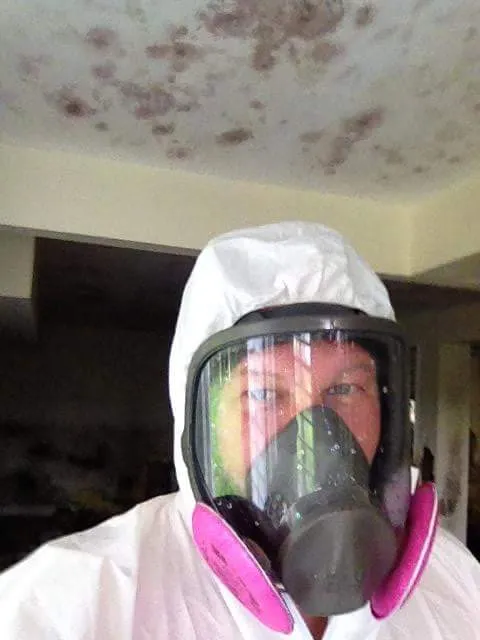
It depends on whether the mold is on the paint or in the board. Light spotting on painted drywall in a bathroom can usually be wiped off with detergent and water, the same as any hard surface. Dry it, fix the ventilation, and you are done.
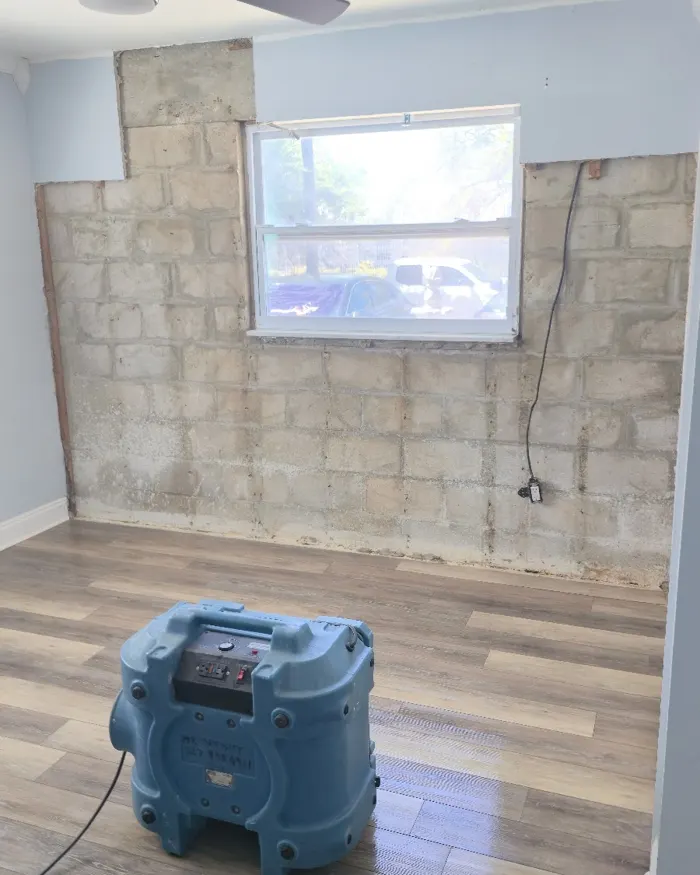
If the stain soaks through the paint, the drywall feels soft, or the spots return after cleaning, the mold is growing in the paper facing and gypsum. That board needs to come out. Cutting out a section of drywall is a reasonable DIY task for a small area. Score and cut at least a foot past the visible growth, check the back of the cutout and the wall cavity, and bag the pieces in the room.
Stop and call if the back of the board is covered, the studs or insulation are stained, or the cavity is wet. That is mold in walls, which is the most common hidden growth we find, and our page on mold in walls covers what that job looks like.
One more rule from the EPA: do not paint or caulk over moldy surfaces. Paint over mold peels, and it hides the growth while it keeps spreading.
Where DIY Mold Remediation Goes Wrong
Most failed DIY jobs fail for the same few reasons. This table sorts the common situations.
| Situation | DIY? | Why |
|---|---|---|
| Spots on a bathroom ceiling or tile, under 10 sq ft | Usually yes | Hard surface, visible, and the cause is ventilation you can fix |
| Mold on a window sill or frame | Usually yes | Condensation; clean, dry and watch for it to return |
| Patch larger than about 10 sq ft | Risky | More spores released while cleaning, and more material likely to come out |
| Mold after a leak, flood or burst pipe | No | Wet material behind walls and under floors keeps feeding new growth |
| Musty smell with nothing visible | No | The growth is hidden; finding it takes moisture readings, not guesswork |
| Mold in or near the AC system | No | Running the system spreads spores through the house |
| Someone in the home has asthma or a weak immune system | Talk to a doctor first | CDC and EPA both flag higher health risk |
The common thread is containment. A professional job seals off the work area and runs HEPA air filtration, so the spores knocked loose during removal are captured instead of drifting into the rest of the house. A box fan and an open window do not do that.
A Middle Path: Rent the Equipment or Check the Moisture
Not every job is either a weekend with a sponge or a full crew. If the mold patch is small but the area got wet, or you want to dry a space properly before you clean, our dry equipment rental service rents dehumidifiers, air movers and air scrubbers to homeowners across Tampa Bay, with delivery and pickup options.
We also offer moisture testing and infrared camera surveys on their own. That answers the question most DIY jobs skip: is the wall behind this spot actually dry? A thermal camera shows damp areas as cooler patches, which is how hidden moisture gets found without opening up a wall first.
When to Call a Mold Remediation Company
Call a licensed company when the growth is over about 10 square feet, when it is inside a wall, under flooring or in the AC, when it came back after you cleaned it, or when it followed a leak or flood. If you hire anyone, the EPA suggests checking that they have experience with mold and follow its remediation guidelines for larger jobs.
Mr. Dry Out is licensed by the Florida Department of Business and Professional Regulation to remediate mold, and because we are a water damage company too, one crew handles the moisture source, the drying and the mold. If the mold came from a covered water loss, we bill your insurance directly. If you are still deciding whether what you have is mold at all, our mold removal page lists the common signs.
We work out of Hudson and cover homes across Tampa Bay, including Hudson, Land O' Lakes, New Port Richey, Indian Rocks Beach and Tampa. For anything past a small DIY patch, see our mold remediation service or call us. We answer 24/7.
DIY Mold Remediation FAQ
For a small patch, yes. The EPA says an area under about 10 square feet on a hard surface can usually be cleaned with detergent and water, gloves, goggles and an N-95 respirator. Fix the moisture first, or the mold comes back.
Yes. Florida's mold licensing law covers people who do mold work for others, and section 468.841, Florida Statutes, exempts a residential property owner doing mold remediation on their own property.
About 10 square feet, roughly a 3 by 3 foot patch, is the EPA's line. Past that, or when the mold is inside a wall, under flooring or in the AC system, the job needs containment and air filtration.
Usually. The EPA says porous materials like ceiling tile and carpet may have to be thrown away once they are moldy, because cleaners can't reach the growth inside them. Moldy drywall that is soft or stained through should be cut out.
No. The EPA says not to paint or caulk over moldy surfaces. Clean and dry the area first; paint over mold peels and hides growth that keeps spreading.
Because the moisture is still there. A leak, condensation or high humidity keeps feeding it. The EPA's target is indoor humidity below 60%, and wet materials dried within 24 to 48 hours.