
Does insurance cover water damage? In Florida, a homeowners policy usually pays when the water came from something sudden and accidental, like a burst supply line or a failed water heater, but usually doesn't pay for a slow leak that went on for months, for wear and tear, or for flood water from outside, which needs a separate flood policy. This guide covers what is usually covered and what isn't, the deadlines Florida law puts on you and your insurer, and the first steps that protect a claim. For the cleanup itself, see our water damage restoration service.
From the Insurance Information Institute's Am I Covered?, FEMA's flood insurance page (updated October 20, 2026) and section 627.70132, Florida Statutes. Every policy is different: your declarations page and policy wording decide your claim.
What Homeowners Insurance Usually Covers
The common homeowners policy form, the HO-3, covers water damage when the water escapes suddenly and by accident. The Insurance Information Institute puts it plainly: "The HO-3 covers you for accidental discharge of water from a plumbing system." The standard form extends that to heating and air conditioning systems and fire sprinklers, and covers the damage the water does to the house, not the broken pipe or appliance itself.
In Tampa Bay homes, that usually means losses like these:
- A burst or split supply line under a sink, behind a toilet or to the fridge
- A water heater that fails and floods the garage or a closet
- A washing machine or dishwasher hose that lets go
- An AC drain line or pan that overflows into a ceiling or wall
- Rain that gets in through storm damage to the roof, depending on the policy's wind and hurricane terms and deductible
What It Usually Doesn't Cover
| Source of the water | Usually covered? | Why |
|---|---|---|
| Burst pipe, appliance or water heater failure | Yes | Sudden, accidental discharge (HO-3) |
| Slow leak or seepage over time | No | Treated as a maintenance issue |
| Sewer or drain backup | Only with a rider | Some policies include it; many need an endorsement |
| Flood, storm surge, rising water from outside | No | Needs a separate flood policy |
| Mold from a covered sudden loss | Often | Follows the covered water loss |
| Mold from long-term humidity or a slow leak | Usually not | Excluded as gradual or maintenance |
Slow leaks. The Insurance Information Institute notes that water seepage "is viewed as a maintenance issue and is not covered by insurance." A toilet seal or shower pan that leaked for months, with rot and mold to show for it, falls on that side of the line.
Sewer backup. According to the Insurance Information Institute, some policies cover sewer and drain backups but many do not, and you can add a sewer backup rider. Check yours before you need it.
Flood. FEMA states that "most homeowners insurance does not cover flood damage", and that there is typically a 30-day waiting period before a new NFIP policy takes effect. In a coastal county, buying flood coverage once a storm is in the forecast is too late.
Florida's Claim Deadlines and Rights
Florida law sets deadlines on both sides of a property claim. These are the ones that matter after water damage.
| Who | Deadline | Source |
|---|---|---|
| You: report a new or reopened claim | Within 1 year after the date of loss | s. 627.70132 |
| You: report a supplemental claim | Within 18 months after the date of loss | s. 627.70132 |
| Insurer: acknowledge your claim | Within 7 days | s. 627.70131 |
| Insurer: send the Homeowner Claims Bill of Rights | Within 14 days of your first claim contact | s. 627.7142 |
| Insurer: copy of its adjuster's detailed estimate | Within 7 days of the estimate | s. 627.7142 |
| Insurer: pay or deny, in whole or in part | Within 60 days of notice | s. 627.70131 |
The insurer's deadlines can be extended in some situations, for example during mediation or when information it asked for hasn't been provided. The one-year limit is the outside edge, not a target. Report water damage the day you find it.
What to Do First After Water Damage
Florida's Department of Financial Services publishes a guide, What to Expect After Filing a Homeowners Claim (June 2025). Its first steps:
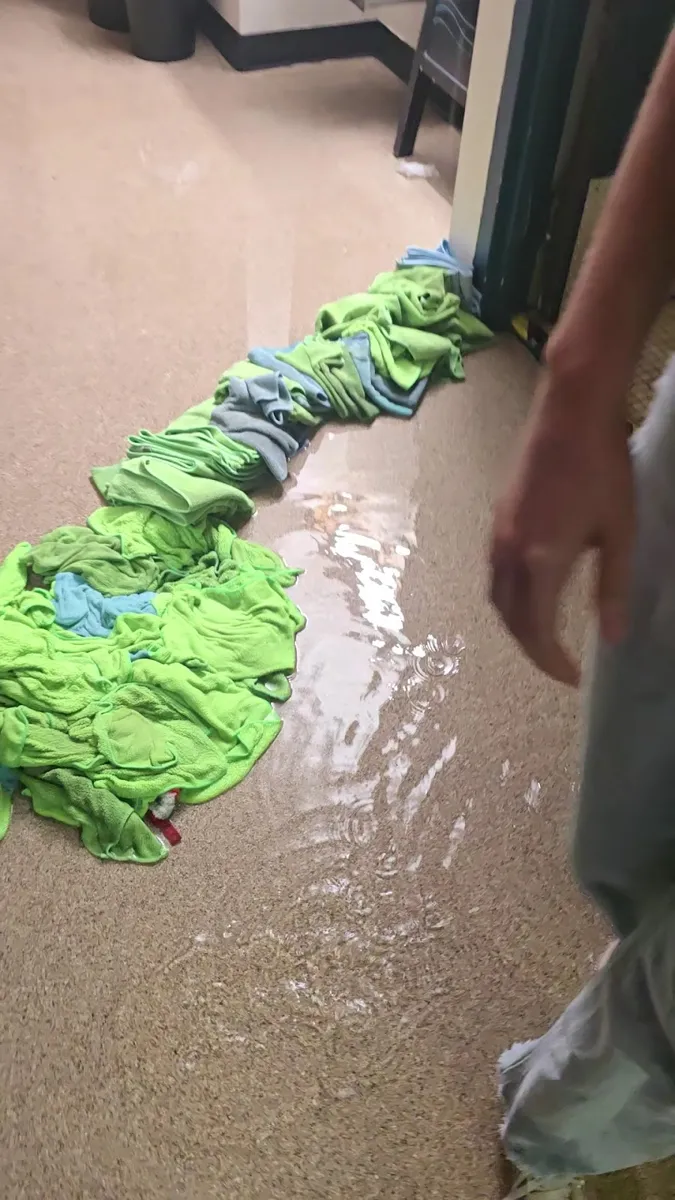
- Stop the water and make it safe. Shut off the water, and turn off electricity to wet areas.
- Report the claim to your insurance company or agent right away.
- Make emergency repairs to prevent further damage, and take photos before and after and keep the receipts. With water, that means getting it extracted and drying started.
- Photograph and video everything: the source, the standing water, the walls, the floors and your belongings.
- List the damaged items with product details, and only throw away items that present a health risk.
- Follow up if an adjuster hasn't contacted you within a week.
Waiting costs you twice. The EPA says to dry water-damaged materials within 24 to 48 hours to prevent mold, and damage that grows because nobody acted can be harder to get paid for. For what the drying and repairs typically run, see our water damage restoration cost guide.
Does Insurance Pay for Water Mitigation?
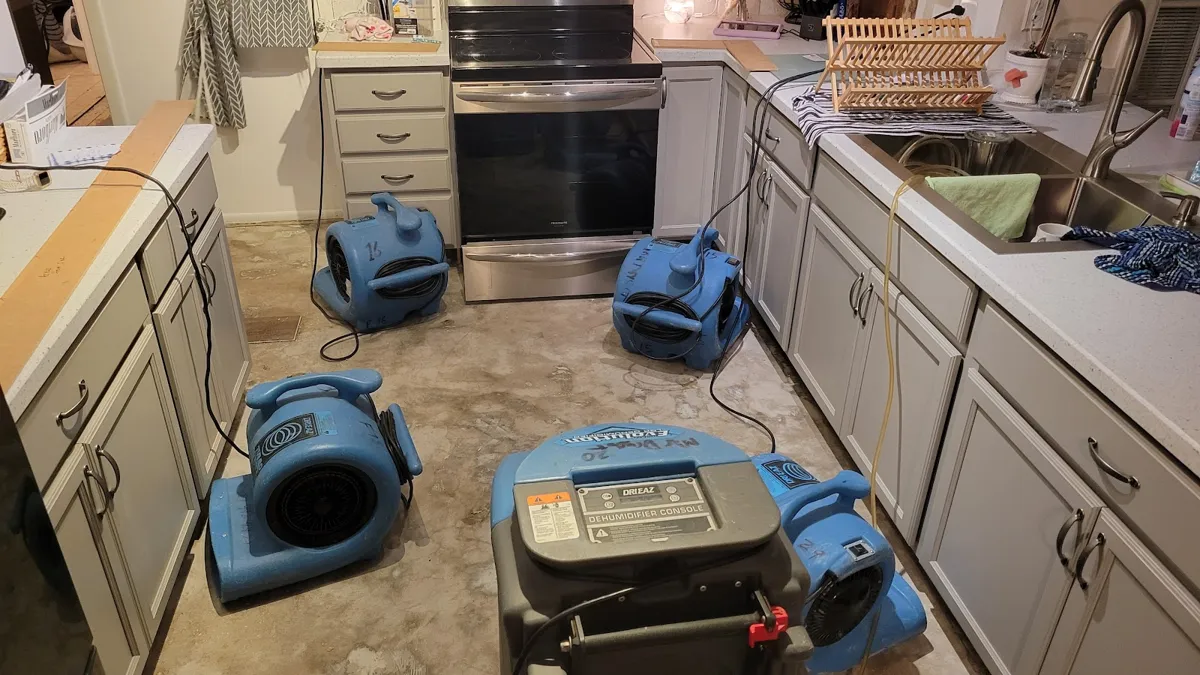
When it is part of a covered water loss, generally yes. Mitigation is the work that stops the damage spreading: extracting the water, finding the moisture in walls and floors, and drying the structure. It is the "emergency repair to prevent further damage" the state's guide tells you to make. We document every step, including daily moisture readings, so the claim shows what was wet, what was saved and what had to come out.
Contractors, Assignments and Preferred Vendors
Three things have changed or are easy to miss in Florida.
- Assignment of benefits. For residential policies issued on or after January 1, 2023, Florida law says a policyholder may not assign post-loss insurance benefits to anyone, and an attempt to do so is "void, invalid, and unenforceable" (s. 627.7152). You stay the one in charge of your claim.
- Managed repair and preferred vendors. The Department of Financial Services advises contacting your insurer before signing a repair contract, to check for any managed repair provisions or optional preferred vendors in your policy.
- Check the contractor. The same guide says to confirm contractors are licensed and check for complaints with the Department of Business and Professional Regulation, ask for proof of liability and workers' compensation insurance, and read carefully any contract that charges a fee based on a percentage of your insurance proceeds.
If the Claim Is Denied or Underpaid
Read the denial or the estimate closely and ask the insurer which policy language it relied on. Then you have options.
- Ask for reconsideration with your own contractor's estimate, as the state's guide suggests.
- State mediation. The Department of Financial Services runs a residential property mediation program for disputes of $500 or more after the deductible. The insurer pays the mediation cost, and it is non-binding. Call the Consumer Helpline at 1-877-693-5236. NFIP flood policies are not eligible.
- Appraisal, if your policy offers it.
- A reopened or supplemental claim if more damage turns up later, within the deadlines above.
How We Work With Your Insurance
We can help you decide whether to file a claim at all: we assess the damage and give you an estimate of the cost first. If you file, we help you report the claim and the damage, photograph and document the loss, and work directly with your adjuster. When the loss is covered, we bill the claim, usually with no upfront cost to you.
Mr. Dry Out answers 24/7 across Pasco, Pinellas, Hillsborough and Hernando counties and has since 2004, including Hudson, New Port Richey, Zephyrhills, Dade City, Clearwater and Tampa. If water is coming in now, call us first and the claim second: see our water damage restoration service or call any time.
Water Damage Insurance FAQ
Often, when the water came from a sudden, accidental event like a burst pipe or an appliance supply line. The standard HO-3 policy covers accidental discharge from plumbing, heating and AC systems. Slow seepage, wear and tear, and flood from outside are usually not covered.
When it is part of a covered water loss, generally yes: extraction and structural drying are part of the same claim, and we document everything and bill the claim directly. Florida's Department of Financial Services tells homeowners to make emergency repairs that prevent further damage and to keep photos and receipts.
Under section 627.70132, Florida Statutes, notice of an initial or reopened claim must be given within 1 year after the date of loss, and a supplemental claim within 18 months. Don't wait that long: report it right away.
Under section 627.70131, the insurer must acknowledge your claim within 7 days and pay or deny it within 60 days of receiving notice, subject to some exceptions. The Homeowner Claims Bill of Rights summarizes these deadlines.
Stick to what you saw and when you saw it. If you don't know how long a leak was going, say so rather than guessing, since gradual leaks are treated differently from sudden ones. Photos and documented moisture readings do more than a guess.
Usually not. FEMA says most homeowners insurance does not cover flood damage, and a new NFIP flood policy typically has a 30-day waiting period. Rising water from outside needs a separate flood policy.