
If you searched for the warning signs of mold toxicity, you have probably found lists of 10, 17 or more symptoms. None of the health agencies we checked publishes a list like that. The CDC, the EPA and the Florida Department of Health all describe a shorter, more specific set of effects, mostly allergy-type and breathing symptoms, and they are careful about the rest.
We are a water damage and mold remediation company, not doctors, so this guide does two things. It sets out what those agencies actually say about mold and health, in their words, and it covers the warning signs of mold in the house itself, which is the part we can help with. If you are worried about your health, the Florida Department of Health's advice is simple: consult your doctor. For the house, see our mold removal service.
From the CDC's About Mold and Your Health, the EPA's Mold and Health (updated February 18, 2026) and the Florida Department of Health's mold page. This is general information, not medical advice.
What Health Agencies Say About Mold and Health
The Florida Department of Health groups the health problems that come from mold exposure into four kinds: allergic illness, irritant effects, infection and toxic effects. It adds that "allergic disease is now considered the most likely health problem related to mold exposures."
The EPA says molds produce allergens and irritants, that "allergic reactions to mold are common," and that they "can be immediate or delayed." It also notes that mold can irritate the eyes, skin, nose, throat and lungs of people who are not allergic to it.
The broadest review is older but still the one agencies lean on. In 2004 the Institute of Medicine, part of the National Academies, reviewed the research on damp buildings and found sufficient evidence of an association between damp indoor environments and some upper respiratory tract symptoms, and coughing, wheezing and asthma symptoms in sensitized people.
Symptoms Linked to Mold
Here is what the three agencies list, side by side. Notice how much they agree, and how short the list is.
| Source | What it lists | Who it says is most affected |
|---|---|---|
| CDC | Stuffy nose, sore throat, coughing or wheezing, burning eyes, skin rash; or no effects at all | People with asthma or mold allergy (severe reactions); immune-compromised people and people with chronic lung disease (lung infections) |
| EPA | Hay fever-type symptoms such as sneezing, runny nose, red eyes and skin rash; irritation of eyes, skin, nose, throat and lungs; asthma attacks | People who are sensitive or allergic to mold; people with asthma |
| Florida Department of Health | Allergic illness, irritant effects, infection and toxic effects, with allergic disease the most likely | Advises anyone with health concerns to consult a doctor before cleanup |
The CDC also notes that heavy exposure in some jobs, such as farm work with moldy hay, can cause more severe reactions, and that some studies suggest early mold exposure may be linked to asthma developing in some children.
Is "Toxic Mold" Real?
Some molds can produce chemicals called mycotoxins. The EPA says more than 200 mycotoxins from common molds have been identified, that some are known to affect people, and that for many "little health information is available." It also says "no one can tell whether a mold is producing mycotoxins just by looking at it."
The phrase "toxic mold" is where the agencies push back. The EPA's mold course says "black mold" is not a species or specific kind of mold, "and neither is 'toxic mold'." The Florida Department of Health says molds that can produce mycotoxins "are common," and that "there are very few reports that 'toxic molds' inside homes can cause unique or rare health conditions."
The mold most people mean by black mold is Stachybotrys chartarum. The CDC's fact sheet says there is no test that proves an association between it and particular health symptoms, and that "all molds should be treated the same with respect to potential health risks and removal." In other words, the color or species doesn't change what you do about it: remove it and fix the water. Our guide to what kills mold explains why removing it matters more than killing it.
What About the Longer Symptom Lists?
Lists of 10 or more "mold toxicity" signs online often add things like fatigue, headaches, brain fog or memory problems. The agency pages we cite here don't list those as established effects of mold in homes. The EPA's wording is that "symptoms other than the allergic and irritant types are not commonly reported as a result of inhaling mold," and that research on mold and health is ongoing.
That doesn't mean symptoms like those aren't real or worth taking seriously. It means they have many possible causes, and a list on a website, including this one, can't sort them out. A doctor can. If symptoms ease when you are away from the house and return when you come back, tell your doctor that; it is useful information.
Warning Signs of Mold in Your Home
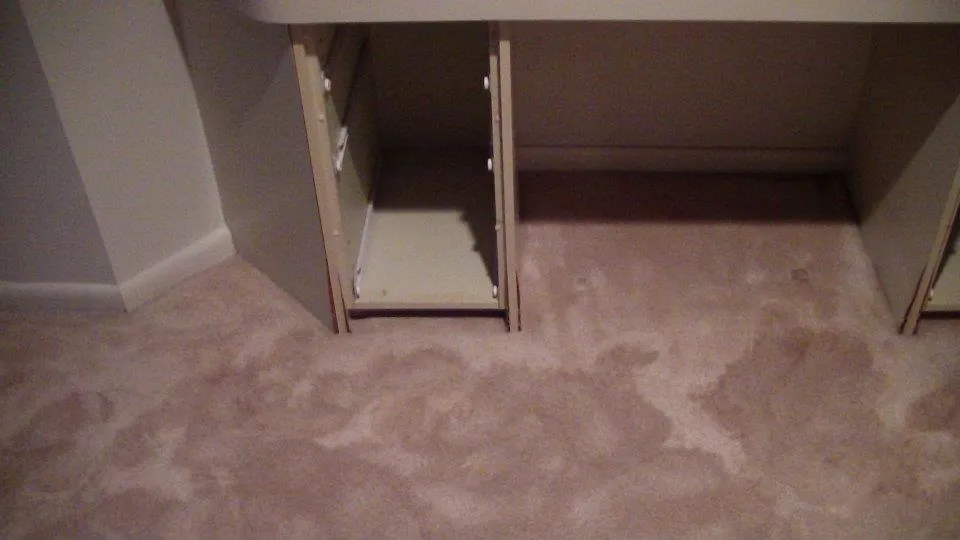
This is where we can be specific, because it is what we look for on every job. In Tampa Bay homes, mold almost always follows water: a slow plumbing leak, AC condensation, a roof leak or a flood that was never fully dried. The warning signs are mostly signs of that water.
- A musty, earthy smell, especially one you can't trace. The EPA lists a moldy smell with no visible source as a reason to suspect hidden mold.
- Visible growth or dark spotting on walls, ceilings, grout or around windows.
- Water stains, bubbling paint or peeling wallpaper, which show that water reached the material behind them.
- A known leak or water event, even an old one, particularly if things were dried with fans and a guess rather than measured.
- Trouble around the AC: a wet air handler closet, a rusted drain pan or sweating ducts.
- Soft or swollen materials: baseboards, cabinet bottoms or flooring that has lifted.
The EPA notes that hidden mold is often behind drywall, wallpaper or paneling, above ceiling tiles, and inside walls around leaking pipes. Our attic mold remediation guide covers the signs up there, where a lot of Florida mold starts.
Should You Test for Mold?
Usually not. The CDC says it "does not recommend mold testing," that there are no set standards for acceptable amounts of mold in a home, and that you cannot rely on sampling to know whether someone might become sick. The Florida Department of Health doesn't recommend testing either, and says that if visible mold is present, sampling is not needed in most cases.
There are good reasons to hire an assessment, such as hidden mold you can't find, a home sale, or an insurance claim that needs a clear scope. In Florida that is a separate, licensed job. Under section 468.8419, Florida Statutes, a mold assessor generally may not remediate a structure their company assessed in the last 12 months, so the company that measures the problem is not the one paid to fix it. Our mold remediation cost guide covers what that means for a budget.
What to Do if You Are Worried
- Talk to your doctor about the symptoms, and mention any mold or water damage at home. The Florida Department of Health advises consulting your doctor before starting cleanup if you have health concerns.
- Find and stop the water. Mold won't stay gone while the leak, the condensation or the wet material is still there.
- Limit exposure. The EPA says people with asthma should avoid exposure to molds. Keep them out of the area during any cleanup.
- Clean small patches, get help with large ones. The EPA's homeowner limit is about 10 square feet on a surface you can scrub; our DIY mold remediation guide shows how. Above that, Florida law treats the job as mold remediation, which needs a licensed remediator when someone else does it for you.
- Keep the AC in mind. If the mold is in the system, the Florida Department of Health says the system should ideally be shut down while it is cleaned.
When we do the work, we find the moisture first, contain the area with plastic and negative air, remove what can't be cleaned, run HEPA filtration, and dry the structure with our TES high-heat system until the meters read dry. Mr. Dry Out is licensed by the Florida Department of Business and Professional Regulation to remediate mold and serves Hudson, Holiday, Trinity, Land O' Lakes, Wesley Chapel and the rest of Tampa Bay. See our mold removal service, or call us any time.
Mold Toxicity FAQ
Health agencies don't publish an official list. The CDC lists stuffy nose, sore throat, coughing or wheezing, burning eyes and skin rash, with more severe reactions in people with asthma or mold allergy. The EPA and the Florida Department of Health describe mostly allergic and irritant effects. If you have symptoms, see your doctor.
You can't tell by looking. The EPA says no one can tell whether a mold is producing mycotoxins just by looking at it, and the CDC says all molds should be treated the same with respect to health risks and removal. Whatever the type, remove it and fix the moisture.
The CDC says no test proves an association between Stachybotrys chartarum, the mold usually called black mold, and particular health symptoms. Reactions to it are described the same way as reactions to other molds. Only a doctor can say whether mold is behind your symptoms.
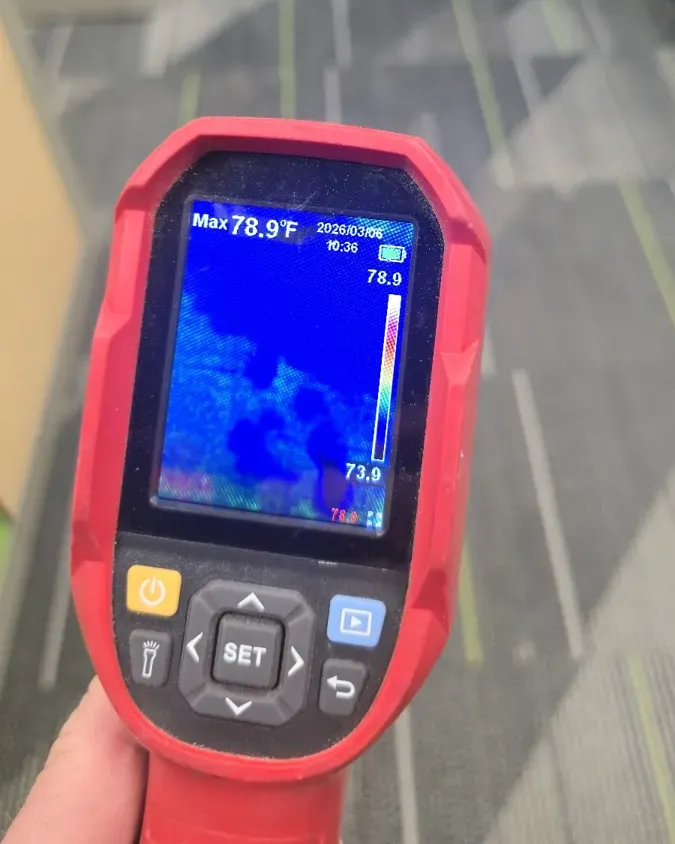
Not directly. A moisture meter or thermal camera finds damp material, which is where mold can grow and often already has. That is why we measure moisture first on every job: it shows how far the water spread before anything is opened up.
Usually not. The CDC does not recommend mold testing, and the Florida Department of Health says sampling is not needed in most cases when mold is visible. An independent licensed assessment can help when mold is hidden, for a home sale, or for an insurance claim.
According to the CDC, people with asthma or mold allergies may have severe reactions, and people with weakened immune systems or chronic lung disease may get lung infections from mold. The EPA says people with asthma should avoid exposure to molds.